
Embark on a journey through the realm of top nutrition plans for heart health, where the power of food meets the beating heart. Discover how specific nutrients can be the key to a healthier cardiovascular system and explore popular diets tailored to nurture your heart.
Delve into the realm of heart-healthy nutrition and unlock the secrets to a robust heart through mindful eating choices.
Importance of Nutrition for Heart Health
Proper nutrition plays a crucial role in maintaining heart health by providing essential nutrients that support the cardiovascular system. A balanced diet can help reduce the risk of heart diseases and promote overall well-being.
Nutrients Impacting Heart Health
- Omega-3 fatty acids: Found in fatty fish, nuts, and seeds, omega-3s can help lower blood pressure and reduce inflammation, decreasing the risk of heart disease.
- Antioxidants: Vitamins C and E, as well as flavonoids found in fruits and vegetables, can protect the heart by fighting oxidative stress and reducing the formation of plaque in the arteries.
- Fiber: A diet high in fiber from whole grains, fruits, and vegetables can help lower cholesterol levels and improve heart health by promoting satiety and aiding in weight management.
Role of a Balanced Diet
A balanced diet that includes a variety of nutrient-rich foods such as lean proteins, whole grains, fruits, and vegetables is essential for preventing heart diseases. By limiting saturated fats, trans fats, and added sugars, and focusing on whole, unprocessed foods, individuals can support their heart health and reduce the risk of cardiovascular issues.
Key Nutrients for Heart Health
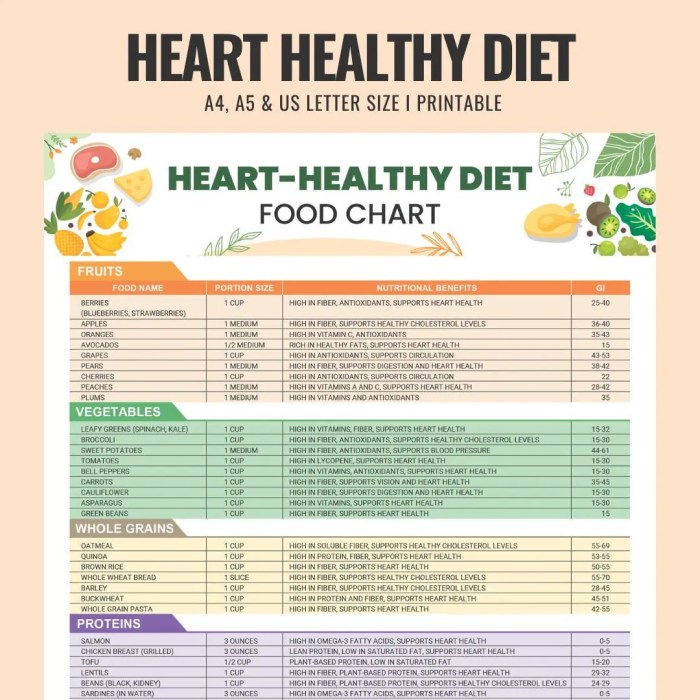
Maintaining a healthy heart requires the consumption of key nutrients that support cardiovascular function and overall well-being. Essential nutrients play a crucial role in preventing heart diseases and promoting heart health.
Omega-3 Fatty Acids
Omega-3 fatty acids are known for their numerous benefits for heart health. These essential fats help reduce inflammation, lower blood pressure, decrease triglycerides, and reduce the risk of developing heart disease. Consuming foods rich in omega-3 fatty acids, such as fatty fish like salmon, mackerel, and sardines, can significantly improve heart health.
Fiber
Fiber is another important nutrient that plays a key role in promoting heart health. Soluble fiber helps lower cholesterol levels by binding to cholesterol particles in the digestive system and removing them from the body. This can reduce the risk of heart disease and improve overall cardiovascular health.
Foods high in fiber include fruits, vegetables, whole grains, legumes, and nuts.
Top Nutrition Plans for Heart Health
When it comes to maintaining heart health, following a proper nutrition plan is crucial. There are several popular nutrition plans specifically designed to promote heart health, such as the Mediterranean diet, DASH diet, and plant-based diets. These plans are known for their ability to reduce the risk of cardiovascular diseases and improve overall heart function.
Mediterranean Diet
The Mediterranean diet emphasizes consuming fruits, vegetables, whole grains, lean proteins, and healthy fats like olive oil. This diet is rich in antioxidants and anti-inflammatory foods, which can help lower cholesterol levels and reduce the risk of heart disease.
DASH Diet
The DASH diet focuses on limiting sodium intake while promoting the consumption of fruits, vegetables, whole grains, and low-fat dairy products. By reducing high blood pressure and improving overall heart health, the DASH diet is effective in preventing heart diseases.
Plant-Based Diets
Plant-based diets center around consuming mainly fruits, vegetables, nuts, seeds, and legumes while minimizing or eliminating animal products. These diets are high in fiber, vitamins, and minerals, contributing to lower cholesterol levels and improved heart function.
Meal Planning for Heart Health
When it comes to maintaining a heart-healthy diet, meal planning plays a crucial role in ensuring you are consuming the right nutrients in the right amounts. By carefully selecting and portioning out foods, you can support your heart health and overall well-being.
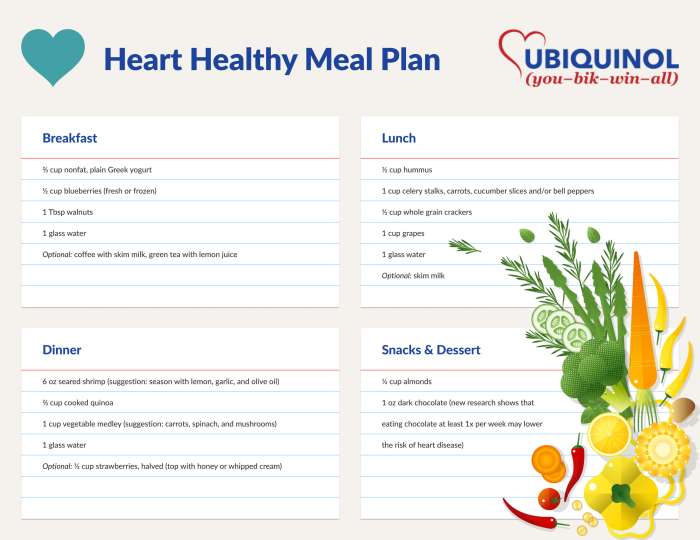
Sample Heart-Healthy Meal Plan
- Breakfast: Overnight oats topped with fresh berries and a sprinkle of chia seeds.
- Snack: Greek yogurt with sliced almonds and a drizzle of honey.
- Lunch: Grilled chicken salad with mixed greens, cherry tomatoes, and avocado.
- Snack: Carrot sticks with hummus.
- Dinner: Baked salmon with quinoa and steamed broccoli.
Remember to include a variety of fruits, vegetables, whole grains, lean proteins, and healthy fats in your meals for optimal heart health.
Portion Control and Balanced Meal Composition
- Focus on filling half your plate with fruits and vegetables, a quarter with lean proteins, and a quarter with whole grains.
- Avoid oversized portions and listen to your body's hunger cues to prevent overeating.
- Include a source of healthy fat, such as avocado or nuts, in each meal to support heart health.
Tips for Incorporating Heart-Healthy Ingredients
- Experiment with herbs and spices to add flavor to your dishes without relying on salt.
- Swap out processed snacks for whole food options like nuts, seeds, or fresh fruit.
- Plan your meals ahead of time and batch cook to ensure you have nutritious options readily available.
Conclusion
In conclusion, the path to a healthier heart lies in the realm of nutrition, where every bite can make a difference. Embrace the power of top nutrition plans for heart health and pave the way to a stronger, more resilient heart.
Top FAQs
What are some examples of nutrients that positively impact heart health?
Omega-3 fatty acids, antioxidants like vitamin C and E, and minerals such as magnesium and potassium are known to benefit heart health.
How can a balanced diet help in preventing heart diseases?
A balanced diet rich in fruits, vegetables, whole grains, lean proteins, and healthy fats can help manage weight, blood pressure, and cholesterol levels, reducing the risk of heart diseases.
Which heart-healthy diet is best known for reducing cardiovascular diseases?
The Mediterranean diet, with its emphasis on olive oil, nuts, fish, and whole grains, is renowned for its ability to lower the risk of heart diseases.

