
In the realm of healthcare, the significance of telehealth platforms for global patients cannot be overstated. These platforms act as bridges connecting patients worldwide to medical expertise, offering a glimpse into the future of healthcare accessibility. Let's delve into the top telehealth platforms and explore how they are revolutionizing patient care on a global scale.
Top Telehealth Platforms for Global Patients
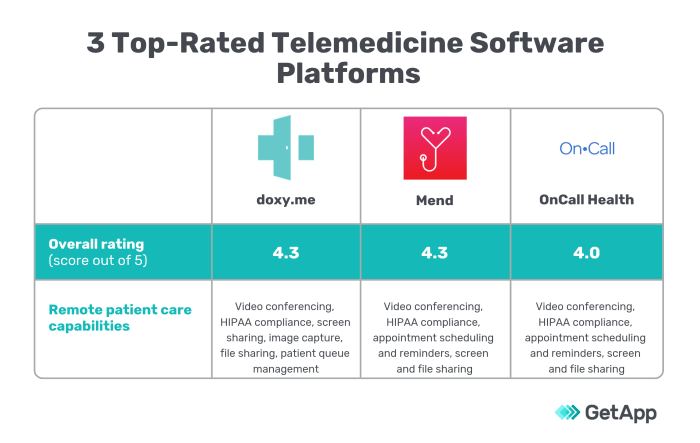
Telehealth platforms have revolutionized the way patients worldwide access healthcare services. Here are some of the top telehealth platforms catering to global patients, offering key features for remote consultations and easy navigation.
Key Features of Telehealth Platforms for Global Patients
- 24/7 access to healthcare professionals for consultations
- Secure messaging and video conferencing for remote appointments
- Multilingual support to accommodate patients from different regions
- Electronic prescription services for seamless medication management
- Integration with wearable devices for remote monitoring of vital signs
Facilitation of Remote Consultations for Patients Worldwide
Telehealth platforms enable patients from around the globe to connect with healthcare providers without the need for physical visits. Through secure online portals, patients can schedule appointments, discuss their symptoms, and receive personalized treatment plans from the comfort of their homes.
Comparison of User Interface and Navigation
- Platform A: Intuitive interface with easy-to-navigate menus and appointment scheduling
- Platform B: User-friendly design with quick access to medical records and test results
- Platform C: Seamless navigation between different healthcare services and specialists
Accessibility and Multilingual Support
When it comes to telehealth platforms for global patients, accessibility and multilingual support play a crucial role in ensuring that individuals from different parts of the world can easily access and navigate healthcare services. This is especially important for patients who may not speak the primary language of the platform or have limited digital literacy skills.
Importance of Multilingual Support
- Facilitates communication between patients and healthcare providers.
- Improves patient understanding of medical information and treatment options.
- Reduces the risk of misunderstandings or errors in healthcare delivery.
Telehealth Platforms Offering Multilingual Support
Some examples of telehealth platforms that offer multilingual support include Teladoc, Amwell, and Doctor on Demand. These platforms provide services in multiple languages, such as Spanish, Mandarin, and Arabic, to cater to the diverse needs of international patients. Multilingual support enables patients to communicate effectively with healthcare providers and receive the care they need without language barriers.
Challenges Without Multilingual Support
- Difficulty in conveying symptoms and medical history accurately.
- Lack of understanding of treatment plans and medication instructions.
- Increased risk of misdiagnosis or inappropriate care due to language barriers.
Designing a Telehealth Platform with Multilingual Support
To create a hypothetical telehealth platform with seamless multilingual support for global patients, key features would include:
- Language selection options for patients to choose their preferred language.
- Automatic translation of text and audio communication between patients and healthcare providers.
- Cultural competency training for healthcare providers to ensure effective communication with diverse patient populations.
- 24/7 multilingual customer support for assistance with technical issues or language barriers.
Telemedicine Services and Specialties
Telehealth platforms for global patients offer a wide range of telemedicine services tailored to meet the specific medical needs of individuals worldwide. These platforms cater to various medical specialties, ensuring access to specialized care for international patients. Let's explore the different aspects of telemedicine services and specialties provided by these platforms
Range of Telemedicine Services
- Virtual consultations with healthcare providers
- Remote monitoring of patients' health conditions
- Online prescription services
- Telepsychiatry and mental health counseling
- Teletherapy sessions for physical rehabilitation
Medical Specialties Catered to
- Cardiology
- Oncology
- Neurology
- Dermatology
- Endocrinology
Case Studies and Success Stories
One success story involves a patient from a remote village in Africa receiving timely cardiology consultation through a telehealth platform, leading to life-saving intervention.
Potential Expansion of Telehealth Services
- Expansion to include telemedicine services for pediatrics
- Integration of telehealth for geriatric care
- Incorporating telemedicine for rare medical conditions
- Enhancing telepsychiatry services for better mental health support
Data Security and Privacy Measures
Data security and privacy measures are crucial aspects of telehealth platforms for global patients. Ensuring the confidentiality and protection of patient information is essential to maintain trust and compliance with international regulations.
Comparison of Data Protection Policies
Different telehealth platforms have varying data protection policies in place. It is important to compare these policies to assess their alignment with international regulations such as GDPR or HIPAA. Platforms that prioritize data security and privacy are more likely to gain the trust of global patients.
Confidentiality Across Borders
Telehealth platforms must have robust measures in place to ensure the confidentiality of patient information across borders. Encryption protocols, secure data storage, and restricted access to sensitive data are some of the ways platforms can safeguard patient information regardless of geographical location.
Innovative Solutions for Data Security
To enhance data security in telehealth platforms serving global patients, innovative solutions such as blockchain technology for secure data sharing, biometric authentication for access control, and regular security audits can be implemented. These measures can help prevent data breaches and unauthorized access to patient information.
Last Point
As we conclude our exploration of top telehealth platforms for global patients, it becomes evident that the landscape of healthcare is evolving rapidly to embrace innovative solutions. The seamless integration of technology and medicine holds promise for a future where quality healthcare knows no borders.
Expert Answers
How do telehealth platforms benefit global patients?
Telehealth platforms provide access to healthcare services regardless of geographical location, ensuring that patients worldwide can receive medical guidance and treatment.
What are some key features to look for in telehealth platforms for global patients?
Key features include multilingual support, ease of navigation, secure data transmission, and a wide range of telemedicine services catering to various medical specialties.
Why is data security crucial in telehealth platforms for global patients?
Data security is vital to protect sensitive patient information and maintain confidentiality, especially when dealing with international patients and complying with diverse privacy regulations.
How can telehealth platforms enhance accessibility for global patients?
By offering multilingual support, user-friendly interfaces, and seamless navigation, telehealth platforms can ensure that patients from different regions can easily access and utilize healthcare services.

