
As the importance of sleep quality for overall health is highlighted, this introductory paragraph aims to captivate readers with engaging insights into the significance of a good night's rest.
It delves into the effects of poor sleep on various aspects of health, followed by strategies for improving sleep quality and the connection between sleep and nutrition.
Importance of Sleep Quality
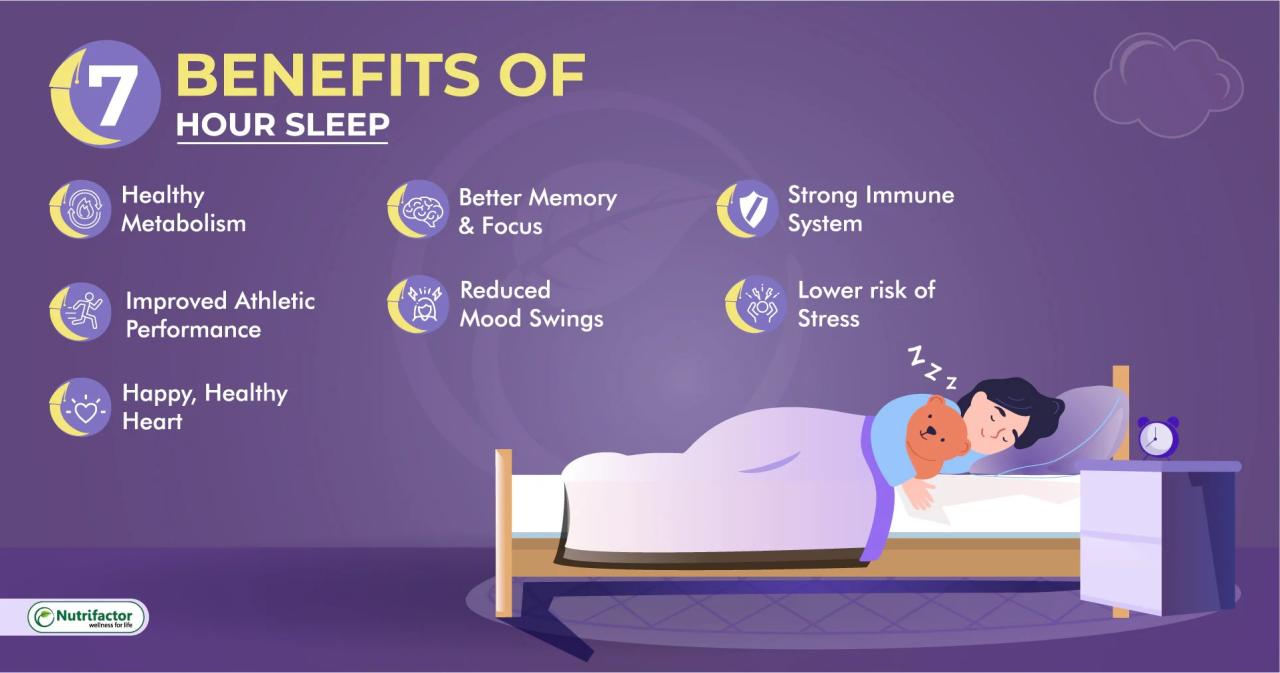
Sleep quality plays a critical role in maintaining overall health and well-being. It is essential for the body to rest, recover, and rejuvenate during sleep to function optimally during waking hours.
Impact on Physical Health
Poor sleep quality can have detrimental effects on physical health. It can weaken the immune system, leading to increased susceptibility to illnesses and infections. Chronic sleep deprivation has also been linked to obesity, diabetes, heart disease, and other serious health conditions.
Impact on Mental Health
Inadequate sleep can significantly impact mental health, causing irritability, mood swings, difficulty concentrating, and impaired cognitive function. Chronic sleep issues are associated with an increased risk of anxiety disorders, depression, and other mental health issues.
Role in Overall Well-being
Sleep is crucial for maintaining overall well-being, as it allows the body to repair and regenerate cells, consolidate memories, and regulate hormones. Quality sleep is essential for emotional stability, stress management, and overall mental clarity.
Effects of Poor Sleep on Health
Poor sleep quality can have a significant impact on various aspects of our health, leading to a range of health conditions and issues. One of the key areas affected by inadequate sleep is the immune system.
Immune System
Inadequate sleep weakens the immune system, making individuals more susceptible to infections and illnesses. During sleep, the body produces cytokines, proteins that help fight inflammation and infection. Lack of sleep can reduce the production of these protective cytokines, compromising the body's ability to defend itself against pathogens.
As a result, individuals who do not get enough quality sleep are at a higher risk of getting sick and taking longer to recover.
Mental Health
Poor sleep quality is closely linked to mental health issues such as depression, anxiety, and mood disorders. Sleep plays a crucial role in regulating emotions and processing information. When sleep is disrupted or inadequate, the brain's ability to function properly is affected, leading to mood swings, irritability, and difficulty in coping with stress.
Chronic sleep deprivation can exacerbate existing mental health conditions and contribute to the development of new ones.
Cardiovascular Health
Sleep deprivation has also been associated with an increased risk of cardiovascular diseases such as hypertension, heart disease, and stroke. Lack of quality sleep can disrupt the body's natural processes that regulate blood pressure, heart rate, and other cardiovascular functions.
Over time, this can lead to long-term damage to the cardiovascular system and elevate the risk of heart-related issues.
Metabolic Health
Furthermore, poor sleep quality is linked to metabolic disorders such as obesity and diabetes. Sleep deprivation can disrupt the balance of hormones that regulate appetite, leading to increased cravings for high-calorie foods and weight gain. Inadequate sleep also affects the body's ability to process glucose effectively, contributing to insulin resistance and the development of type 2 diabetes.
Strategies for Improving Sleep Quality
Creating a conducive sleep environment, practicing relaxation techniques, and maintaining a consistent sleep schedule are essential strategies for improving sleep quality.
Create a Conducive Sleep Environment
Creating a comfortable and relaxing sleep environment can significantly impact the quality of your sleep. Here are some tips to help you achieve this:
- Avoid exposure to screens before bedtime, as the blue light can disrupt your circadian rhythm.
- Keep your bedroom cool, dark, and quiet to promote better sleep.
- Invest in a comfortable mattress and pillows that support your body and help you relax.
- Avoid consuming caffeine or heavy meals close to bedtime, as they can interfere with your sleep.
Practice Relaxation Techniques
Engaging in relaxation techniques before bedtime can help calm your mind and body, preparing you for a restful night's sleep. Consider trying the following techniques:
- Deep breathing exercises can help reduce stress and promote relaxation.
- Progressive muscle relaxation involves tensing and then relaxing each muscle group in your body, promoting physical relaxation.
- Meditation and mindfulness practices can help quiet the mind and improve sleep quality.
- Listening to calming music or sounds can create a soothing atmosphere conducive to sleep.
Maintain a Consistent Sleep Schedule
Establishing a consistent sleep schedule helps regulate your body's internal clock and improve the quality of your sleep. Here's why it's important:
- Go to bed and wake up at the same time every day, even on weekends, to maintain a regular sleep-wake cycle.
- Avoid napping excessively during the day, as it can disrupt your nighttime sleep.
- Create a bedtime routine that signals to your body that it's time to wind down and prepare for sleep.
- Avoid sleeping in or staying up late, as irregular sleep patterns can affect the quality of your sleep.
Connection Between Sleep and Nutrition
Nutrition plays a crucial role in influencing the quality of sleep that an individual gets. The foods and drinks we consume can impact our sleep patterns in various ways, affecting not only the duration but also the overall restfulness of our sleep.
Understanding how diet and nutrition intersect with sleep can help in improving our sleep quality.
Impact of Caffeine and Alcohol on Sleep
Caffeine, commonly found in coffee, tea, and energy drinks, is a stimulant that can interfere with sleep by keeping the brain alert and preventing the onset of sleep. Consuming caffeine late in the day can lead to difficulties falling asleep and may disrupt the sleep cycle.
On the other hand, alcohol, while initially promoting drowsiness, can disrupt the later stages of sleep, leading to fragmented and poor-quality rest.
- Caffeine keeps the brain alert and delays sleep onset.
- Alcohol can disrupt the later stages of sleep, leading to poor-quality rest.
Role of Specific Nutrients in Promoting Better Sleep
Certain nutrients play a key role in promoting better sleep by supporting the body's natural sleep-wake cycle and enhancing relaxation. For example, magnesium helps to relax muscles and promote a sense of calmness, aiding in falling asleep faster. Likewise, foods rich in tryptophan, an amino acid precursor to serotonin and melatonin, can help in improving sleep quality.
- Magnesium helps relax muscles and promote calmness for better sleep.
- Foods rich in tryptophan can aid in improving sleep quality.
Epilogue
In conclusion, the discussion on the impact of sleep quality on overall health provides a comprehensive understanding of the importance of prioritizing quality sleep for physical, mental, and emotional well-being.
Helpful Answers
How does inadequate sleep affect the immune system?
Inadequate sleep weakens the immune system, making individuals more susceptible to infections and illnesses. Adequate rest is crucial for maintaining a healthy immune response.
What are some tips for creating a conducive sleep environment?
Tips include keeping the room dark, quiet, and at a comfortable temperature, establishing a bedtime routine, and avoiding screens before bedtime.
How does diet influence sleep quality?
Diet plays a significant role in sleep quality, with certain foods promoting better sleep. Avoiding heavy meals before bed and consuming sleep-promoting nutrients can enhance sleep quality.

