
Delving into the realm of AI in healthcare and its impact on patients, this introductory paragraph sets the stage for an enlightening journey filled with innovation and possibilities.
The subsequent paragraph will delve deeper into the intricacies of the topic, providing a comprehensive understanding.
Introduction to AI in Healthcare
AI in healthcare refers to the use of artificial intelligence technologies to enhance patient care, diagnosis, treatment, and overall healthcare processes. The integration of AI in healthcare has the potential to revolutionize the industry, providing patients with more efficient and personalized care.
Significance of AI in Transforming Healthcare for Patients
AI in healthcare plays a crucial role in transforming the patient experience by improving diagnosis accuracy, treatment effectiveness, and overall healthcare outcomes. By leveraging AI technologies, healthcare providers can streamline processes, reduce errors, and deliver more personalized care to patients.
- AI-powered diagnostic tools can analyze vast amounts of patient data to identify patterns and trends, leading to more accurate and timely diagnoses.
- Virtual health assistants powered by AI can provide patients with real-time support, information, and guidance, improving access to healthcare services.
- AI-driven predictive analytics can help healthcare providers anticipate patient needs, prevent complications, and improve treatment outcomes.
Benefits of AI in Patient Care

AI technology has revolutionized patient care in numerous ways, improving outcomes, enhancing personalized treatment plans, and aiding in early disease detection and prevention.
Improved Patient Outcomes
AI algorithms can analyze vast amounts of patient data to identify patterns and trends that human healthcare providers might miss. This leads to more accurate diagnoses, timely interventions, and ultimately better patient outcomes.
Enhanced Personalized Treatment Plans
By utilizing AI, healthcare professionals can tailor treatment plans to individual patients based on their unique characteristics, such as genetics, lifestyle, and medical history. This personalized approach ensures that patients receive the most effective and efficient care possible.
Early Disease Detection and Prevention
AI-powered tools can sift through medical records, imaging data, and other sources to identify potential risks and warning signs of diseases at an early stage. This early detection allows for proactive interventions, leading to better health outcomes and potentially saving lives.
Challenges and Concerns with AI in Healthcare
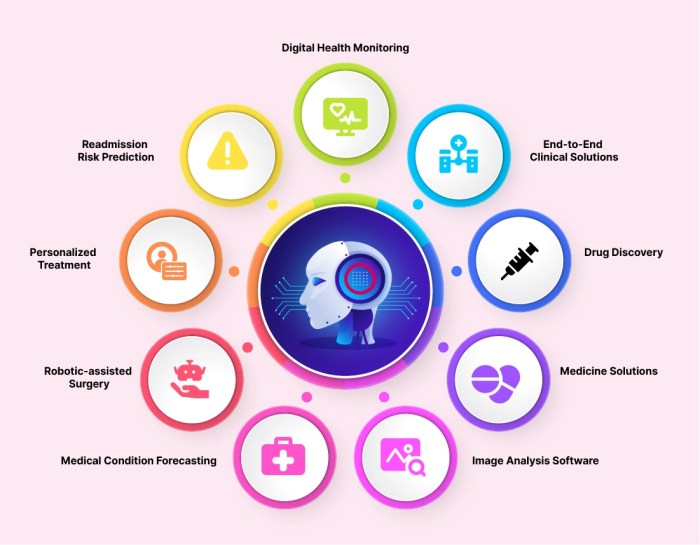
AI in healthcare brings numerous benefits, but it also poses several challenges and concerns that need to be addressed to ensure patient safety and ethical standards are met.
Ethical Considerations in AI Patient Care
Ethical considerations in the use of AI in patient care are crucial to maintain trust in healthcare systems. AI algorithms must be transparent, unbiased, and accountable to avoid potential harm to patients. The issue of informed consent is also significant, as patients should be aware of how AI is being used in their care and have the right to opt out if they choose
Potential Risks of Relying Heavily on AI for Healthcare Decisions
Relying too heavily on AI for healthcare decisions can lead to overreliance on technology, potentially resulting in misdiagnoses or inappropriate treatments. Healthcare professionals may also become complacent or less critical in their decision-making process when relying solely on AI recommendations, which could compromise patient safety.
Data Privacy and Security in AI Applications for Patients
Data privacy and security are major concerns in AI applications for patients. The collection, storage, and sharing of patient data by AI systems must comply with strict privacy regulations to protect sensitive information from breaches or unauthorized access. Patients must trust that their data is being used ethically and securely to ensure the success and acceptance of AI technologies in healthcare.
Adoption of AI Technologies by Patients
As AI technologies continue to make their way into healthcare settings, patients are also becoming more involved in interacting with these tools that aim to improve their overall care and outcomes.
Patient Interaction with AI Tools
Patients can interact with AI tools in various ways, such as through virtual health assistants, personalized health monitoring apps, and decision support systems. These tools can provide patients with real-time insights into their health status, medication reminders, and even personalized treatment recommendations based on their unique health data.
Impact of AI on Patient Engagement
- AI can enhance patient engagement by providing continuous monitoring and feedback, empowering patients to take control of their health outside of traditional healthcare settings.
- Personalized AI-driven interventions can motivate patients to adhere to treatment plans and make healthier lifestyle choices, leading to better health outcomes.
- AI tools can also facilitate communication between patients and healthcare providers, ensuring timely access to care and support.
Barriers to Patient Acceptance of AI in Healthcare
- Privacy concerns: Patients may be hesitant to share personal health data with AI systems due to concerns about data security and privacy breaches.
- Lack of awareness: Some patients may not fully understand the capabilities of AI in healthcare and may be reluctant to trust these technologies with their care.
- Technological literacy: Patients with limited technological skills or access to digital devices may face challenges in using AI tools effectively, leading to disparities in healthcare access and outcomes.
Final Thoughts
Concluding our discussion on AI in healthcare and its implications for patients, this final paragraph encapsulates the key takeaways and leaves readers with a sense of curiosity for the future of healthcare technology.
FAQ Explained
What are some common ethical considerations related to AI in patient care?
Ethical considerations include issues of bias in algorithms, patient privacy, and the potential for AI to replace human judgment in critical healthcare decisions.
How does AI impact patient engagement and empowerment?
AI can enhance patient engagement by providing personalized health insights and enabling proactive health management. It empowers patients by giving them more control over their healthcare decisions.
What are the potential barriers to patient acceptance of AI in healthcare?
Barriers include concerns about data privacy, lack of trust in AI technology, and fear of losing the human touch in medical care. Educating patients about the benefits of AI is crucial to overcoming these barriers.

