
When it comes to managing chronic illnesses, having the right health insurance is paramount. In this guide, we delve into the importance of health insurance for chronic illness management and offer valuable tips on choosing the best plan for your needs.
Exploring the complexities of copayments, deductibles, and out-of-pocket costs, we provide insights on how to navigate these financial aspects effectively. Additionally, we share strategies on maximizing health insurance benefits to ensure optimal care for chronic conditions.
Importance of Health Insurance for Chronic Illness Management
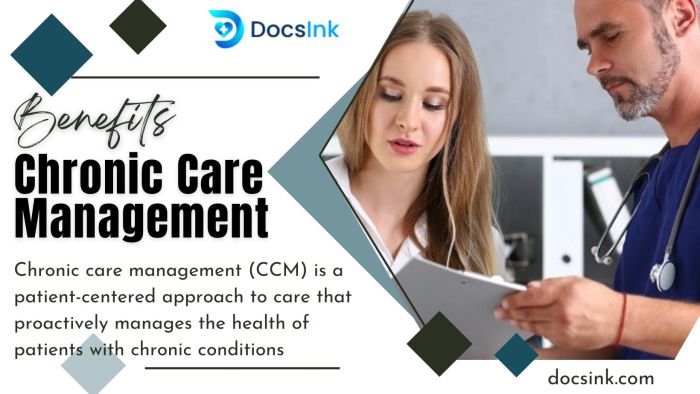
Health insurance plays a crucial role in effectively managing chronic illnesses by providing financial support for necessary treatments and medications.
Access to Necessary Treatments and Medications
Having health insurance coverage ensures that individuals with chronic conditions have access to essential treatments and medications prescribed by healthcare providers. This access is vital for effectively managing the symptoms and progression of the illness.
Alleviation of Financial Burdens
Health insurance can help alleviate the financial burdens associated with chronic conditions by covering a significant portion of the medical expenses. This can include costs for doctor visits, hospital stays, prescription medications, and other necessary healthcare services.
Choosing the Right Health Insurance Plan
When it comes to managing chronic illnesses, selecting the right health insurance plan is crucial. The plan you choose can greatly impact the quality of care you receive and the financial burden on you and your family. Here are some key factors to consider when choosing a health insurance plan for chronic illness management.
Types of Health Insurance Plans
- HMOs (Health Maintenance Organizations):These plans typically require you to choose a primary care physician (PCP) and get referrals to see specialists. While they often have lower out-of-pocket costs, the network of providers may be more limited.
- PPOs (Preferred Provider Organizations):PPO plans offer more flexibility in choosing healthcare providers and do not require referrals to see specialists. However, they usually come with higher premiums and out-of-pocket costs.
- High-Deductible Plans:These plans have lower premiums but higher deductibles. They are often paired with a Health Savings Account (HSA) to help cover out-of-pocket costs. It's important to consider if you can afford the high deductible, especially when managing chronic illnesses.
Reviewing Coverage Details
Before selecting a health insurance plan, make sure to carefully review the coverage details, especially in the context of chronic illness management. Consider the following:
- Prescription Drug Coverage: Check if the plan covers the medications you need for managing your chronic condition. Look into copayments, deductibles, and any restrictions on medications.
- Specialist Visits: If you require frequent visits to specialists, ensure that the plan covers these services. Check if you need referrals to see specialists and if there are any limits on the number of visits allowed.
- Out-of-Network Coverage: Understand what happens if you need care from providers outside the plan's network. Some plans may not cover out-of-network services, while others may offer limited coverage at higher costs.
Understanding Copayments, Deductibles, and Out-of-Pocket Costs
When dealing with health insurance, it is crucial to understand the terms copayments, deductibles, and out-of-pocket costs. These terms play a significant role in how much you will have to pay for your healthcare services.
Copayments
Copayments are fixed amounts that you pay for covered healthcare services at the time of the visit. For example, you may have a $20 copayment for a doctor's visit. These costs can add up, especially for individuals managing chronic illnesses who require frequent medical appointments.
Deductibles
A deductible is the amount you must pay for covered healthcare services before your insurance plan starts to contribute
Individuals with chronic illnesses may reach their deductible quickly due to the need for ongoing medical care.
Out-of-Pocket Costs
Out-of-pocket costs refer to the expenses you pay for covered healthcare services that are not reimbursed by insurance. This includes copayments, deductibles, and coinsurance. Managing these costs is crucial for individuals with chronic illnesses to ensure they can afford their necessary medical treatments.
Utilizing Health Insurance Benefits for Chronic Illness Management
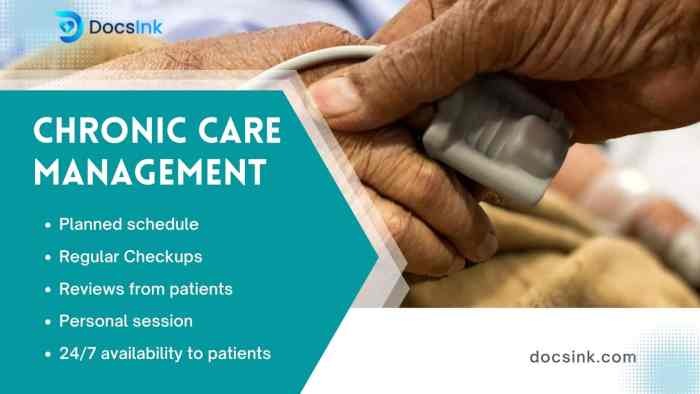
Effectively managing chronic illnesses requires utilizing health insurance benefits to their fullest potential. This involves taking advantage of preventive care, coordinating care with healthcare providers, obtaining prior authorizations for treatments, and navigating the appeals process when necessary.
Maximizing Health Insurance Benefits
One strategy to maximize health insurance benefits for chronic illness management is to prioritize preventive care. This includes regular check-ups, screenings, and vaccinations to prevent complications or worsening of the condition.
- Stay up-to-date with recommended preventive services based on your chronic illness.
- Work closely with your healthcare team to create a personalized care plan that aligns with your health insurance coverage.
- Utilize wellness programs or resources offered by your insurance provider to support your overall health and well-being.
Obtaining Prior Authorizations
Prior authorizations are required by health insurance companies for certain treatments, procedures, or medications to ensure they meet specific criteria for coverage. To obtain prior authorizations:
- Consult with your healthcare provider to determine if a prior authorization is needed for a recommended treatment.
- Submit the necessary information and documentation to your insurance company for review and approval.
- Follow up with your provider and insurance company to ensure timely approval to proceed with the treatment.
Navigating the Appeals Process
If your health insurance denies coverage for a necessary treatment, you have the right to appeal their decision. Tips for navigating the appeals process include:
- Review the denial letter carefully to understand the reason for denial and the steps required for an appeal.
- Gather supporting documentation from your healthcare provider to strengthen your case for coverage.
- Submit a formal appeal letter outlining why the treatment is medically necessary and should be covered by your insurance.
- Stay persistent and follow up with your insurance company throughout the appeals process to advocate for the coverage you need.
Conclusive Thoughts
In conclusion, understanding the nuances of health insurance and how it relates to chronic illness management is key to maintaining quality healthcare. By following the tips Artikeld in this guide, you can make informed decisions that positively impact your health and well-being.
Q&A
What factors should I consider when choosing a health insurance plan for chronic illness management?
When selecting a plan, consider coverage for prescription drugs, specialist visits, and in-network providers to ensure comprehensive care for your chronic condition.
How can prior authorizations for treatments be obtained through health insurance?
Prior authorizations can be obtained by working with your healthcare provider to submit necessary documentation and medical justifications to the insurance company.
What should I do if my health insurance denies coverage for necessary treatments?
If coverage is denied, you can navigate the appeals process by providing additional information, seeking support from your healthcare provider, and understanding your rights as a policyholder.

