
Embark on a journey into the future with the best digital tools tailored for business travelers in 2025. From seamless connectivity to data security, discover how these tools are revolutionizing the way professionals travel for work.
Delve deeper into the realm of emerging technologies and their impact on business travel efficiency and productivity. Explore the endless possibilities that AI, AR, and VR offer to enhance the overall travel experience.
Importance of Digital Tools for Business Travelers
In 2025, digital tools have become essential for business travelers, revolutionizing the way they plan, organize, and execute their trips. These tools offer a wide range of benefits that significantly enhance the overall travel experience for professionals on the go.
Enhanced Communication
Digital tools enable business travelers to stay connected with their colleagues, clients, and partners regardless of their location. With features like video conferencing, instant messaging, and email integration, communication becomes seamless and efficient, leading to better collaboration and decision-making.
Efficient Trip Planning
By utilizing digital tools such as travel management platforms and itinerary apps, business travelers can streamline the planning process, from booking flights and accommodations to scheduling meetings and events. These tools not only save time but also help in maximizing productivity during the trip.
Real-Time Information Access
With access to real-time updates on flight statuses, traffic conditions, and weather forecasts, business travelers can make informed decisions on the go. Digital tools provide up-to-date information that allows travelers to adjust their plans accordingly, ensuring smooth and hassle-free travel experiences.
Expense Tracking and Reporting
Digital tools like expense management apps simplify the task of tracking and reporting business expenses. Travelers can easily capture receipts, categorize expenses, and generate comprehensive reports, making reimbursement processes more efficient and accurate.
Increased Productivity
Overall, the use of digital tools enhances the efficiency and productivity of business travelers by providing them with the resources they need to manage their trips effectively. From communication to organization, these tools empower travelers to focus on their work while on the move, ultimately leading to successful business outcomes.
Emerging Technologies for Business Travelers
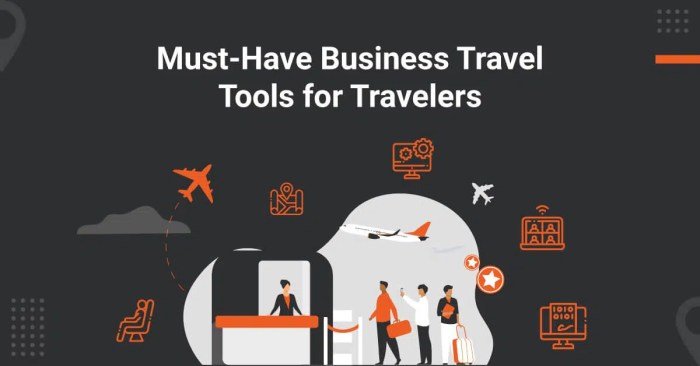
As technology continues to advance at a rapid pace, new tools and innovations are constantly being introduced to enhance the business travel experience for professionals. These emerging technologies are reshaping the way individuals navigate through their journeys, making travel more efficient, convenient, and enjoyable.
AI-Powered Travel Assistants
Artificial Intelligence (AI) is revolutionizing the way business travelers plan and organize their trips. AI-powered travel assistants can help travelers book flights, hotels, and rental cars, as well as provide real-time updates on flight statuses and travel alerts. These assistants use machine learning algorithms to personalize recommendations based on the traveler's preferences and past behavior, making the entire travel process smoother and more personalized.
Augmented Reality (AR) Navigation
Augmented Reality (AR) technology is changing the way travelers navigate unfamiliar locations. AR navigation apps overlay digital information onto the real world, helping travelers find their way around airports, train stations, and cities with ease. By simply pointing their smartphones or smart glasses in the desired direction, business travelers can access real-time directions, translations, and information about nearby points of interest, enhancing their overall travel experience.
Virtual Reality (VR) Meetings
Virtual Reality (VR) technology is transforming the way business professionals conduct meetings and collaborations across distances. With VR headsets, travelers can participate in virtual meetings, conferences, and presentations as if they were physically present in the same room. This immersive experience allows for more engaging and interactive communication, fostering better connections and productivity among team members who are geographically dispersed.
Connectivity Solutions for Business Travelers
Seamless connectivity is crucial for business travelers who need to stay connected and productive while on the go. Whether it's attending virtual meetings, accessing important documents, or communicating with colleagues, having reliable connectivity is essential.
Tools and Devices for Reliable Connectivity
There are several tools and devices that offer reliable connectivity for business travelers, ensuring they can stay connected wherever they are:
- Portable Wi-Fi Hotspots: These devices provide a secure and stable internet connection, allowing travelers to access the internet without relying on public Wi-Fi networks.
- Global SIM Cards: Global SIM cards enable travelers to stay connected in multiple countries without incurring high roaming charges.
- Virtual Private Networks (VPNs): VPNs encrypt internet traffic, ensuring secure connections, especially when using public Wi-Fi networks.
5G Technology Revolutionizing Connectivity
5G technology is transforming connectivity for business travelers by offering faster speeds, lower latency, and increased capacity. This advancement allows travelers to stream high-quality video, participate in virtual meetings, and transfer large files with ease.
Data Security and Privacy for Business Travelers
Data security and privacy are crucial aspects to consider for business travelers utilizing digital tools during their trips. Ensuring the protection of sensitive information is essential to safeguard both personal and company data from potential cyber threats.
Potential Risks and Challenges
- Public Wi-Fi Vulnerabilities: Connecting to unsecured public Wi-Fi networks can expose travelers to various cyber threats such as man-in-the-middle attacks and data interception.
- Lost or Stolen Devices: The risk of losing laptops, smartphones, or other devices during travel can lead to unauthorized access to confidential business data.
- Phishing Attacks: Business travelers may be targeted by phishing emails or messages designed to trick them into revealing sensitive information.
- Data Breaches: Inadequate security measures or using compromised digital tools can result in data breaches, compromising company secrets and personal details.
Best Practices for Protection
- Use VPNs: Employing a Virtual Private Network (VPN) can encrypt internet traffic, providing a secure connection while using public Wi-Fi networks.
- Enable Two-Factor Authentication: Implementing two-factor authentication adds an extra layer of security to logins, reducing the risk of unauthorized access in case of stolen credentials.
- Avoid Public Charging Stations: USB charging ports in public places may contain hidden malware, posing a risk of data theft. It is advisable to use personal chargers or portable power banks instead.
- Regularly Update Devices and Software: Keeping devices and software up to date with the latest security patches helps protect against known vulnerabilities and cyber threats.
- Limit Access to Essential Data: Minimize the amount of sensitive information stored on devices taken during business trips and ensure data encryption for added security.
Final Summary
In conclusion, the landscape of business travel is rapidly evolving with the integration of advanced digital tools. Stay ahead of the curve by embracing these technologies to streamline your trips and ensure a productive journey every time.
Quick FAQs
How can digital tools enhance productivity for business travelers?
Digital tools help streamline tasks, manage itineraries, and provide instant access to information, ultimately saving time and increasing efficiency.
What are some examples of connectivity solutions for business travelers?
Tools like portable Wi-Fi hotspots and VPN services ensure reliable internet access and secure connections while on the go.
Why is data security crucial for business travelers using digital tools?
Protecting sensitive information is essential to prevent data breaches and safeguard confidential business data from cyber threats during trips.

