
Exploring the intricate relationship between family routines and the well-being of both body and mind, this introduction sets the stage for an enlightening discussion. It delves into the profound effects of everyday habits on physical and mental health, offering a fresh perspective on the importance of establishing consistent routines within the family dynamic.
As we navigate through the subsequent sections, we will uncover the concrete benefits that family routines bring to our overall health, shedding light on the ways in which they contribute to a harmonious and healthy lifestyle.
Importance of Family Routines
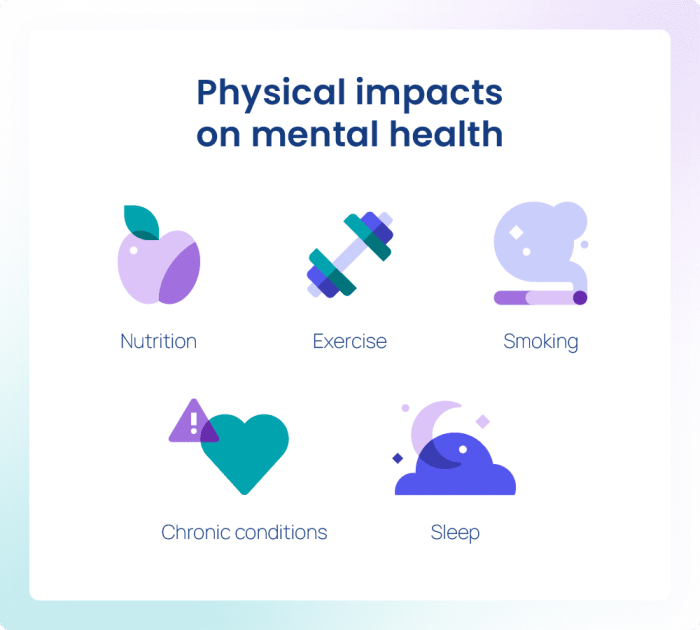
Family routines are the regular activities or habits that families engage in together on a daily or weekly basis. These routines can include meal times, bedtime routines, exercise, and leisure activities that are done consistently as a family unit. Establishing and maintaining these routines is crucial for the overall well-being of both physical and mental health.
Significance of Establishing Consistent Family Routines
Consistent family routines provide a sense of structure and predictability for all family members, especially children. This predictability helps reduce stress and anxiety, as individuals know what to expect and can better manage their time and emotions. Routines also promote healthy habits, such as regular exercise and proper nutrition, which are essential for physical health.
- Routines like regular meal times can help promote healthy eating habits and prevent overeating or unhealthy snacking.
- Bedtime routines, such as reading a story before bed, can improve sleep quality and ensure that family members get an adequate amount of rest.
- Exercise routines, such as family walks or bike rides, promote physical activity and strengthen family bonds through shared experiences.
- Setting aside time for leisure activities, like game nights or movie nights, fosters positive social interactions and relaxation.
Physical Health Benefits of Family Routines
Family routines play a crucial role in promoting physical health and well-being among family members. By establishing and maintaining regular routines, families can create a supportive environment that encourages healthy habits and behaviors. Let's explore how family routines contribute to physical health:
Encouraging Regular Exercise
Regular family routines can include designated times for physical activities such as family walks, bike rides, or playing sports together. By engaging in these activities as a family, everyone is more likely to stay active and maintain a healthy lifestyle.
This not only improves physical fitness but also strengthens family bonds.
Promoting Healthy Eating Habits
Family routines around meal times can help promote healthy eating habits. By setting regular meal times and eating together as a family, parents can model good eating behaviors for their children and encourage the consumption of nutritious foods. This can help prevent issues like obesity and other diet-related health problems.
Preventing Health Issues
Establishing routines around bedtime, hygiene practices, and regular health check-ups can contribute to the prevention of various health issues. Consistent bedtimes and proper hygiene routines can improve sleep quality and overall health. Additionally, regular health check-ups can help identify and address any potential health concerns early on.
Mental Health Impact of Family Routines
Family routines play a crucial role in not only physical health but also mental well-being. The predictability and structure provided by these routines can have a significant impact on reducing stress and anxiety within the family unit.
Reduction of Stress and Anxiety
Having established family routines can create a sense of stability and security for both children and adults. Knowing what to expect and having a structured daily routine can help individuals feel more in control of their environment, leading to a reduction in feelings of stress and anxiety.
Improved Communication and Bonding
Regular family routines such as meal times, bedtime routines, or weekly family outings provide opportunities for open communication and bonding among family members. This can strengthen relationships and create a supportive environment that promotes good mental health.
Enhanced Emotional Regulation
Consistent family routines can aid in the development of emotional regulation skills in children and adults alike. By providing a framework for dealing with emotions and stress, family routines can help individuals manage their feelings more effectively and cope with challenges in a healthier manner.
Creating Effective Family Routines
Establishing effective family routines requires careful planning and consistency to ensure the well-being of all family members. By implementing beneficial routines, families can promote physical and mental health while fostering stronger relationships.
Importance of Flexibility and Adaptability
Family routines should allow for flexibility and adaptability to accommodate unexpected changes or individual needs. This flexibility ensures that routines can be sustainable in the long run and can be adjusted as necessary.
Tips for Overcoming Challenges
- Communicate openly: Encourage family members to express their needs and concerns regarding the routines. By fostering open communication, families can work together to find solutions that work for everyone.
- Start small: Begin by implementing one routine at a time to avoid overwhelming the family. Gradually introduce new routines and allow time for adjustment.
- Be consistent: Consistency is key to establishing effective routines. Stick to the schedule as much as possible to create a sense of predictability and stability for all family members.
- Celebrate successes: Acknowledge and celebrate achievements when family members adhere to the routines. Positive reinforcement can help motivate everyone to continue following the established routines.
Closure

In conclusion, the impact of family routines on physical and mental health cannot be understated. By recognizing the significance of establishing and maintaining positive routines, families can pave the way for a healthier and happier future together. Let us embrace the power of routine as we strive towards holistic well-being for ourselves and our loved ones.
FAQ Insights
How do family routines affect mental health?
Family routines play a crucial role in reducing stress and anxiety, providing a sense of security and predictability that can positively impact mental well-being.
What are some common family routines that promote physical health?
Regular exercise, nutritious meal times, and sufficient sleep are examples of family routines that contribute to physical well-being.
How can families overcome challenges when establishing new routines?
Flexibility and adaptability are key in overcoming challenges. Start small, involve everyone in the process, and be patient as new routines take time to become habits.

