
Exploring the realm of natural remedies for managing anxiety and stress opens up a world of possibilities for those seeking alternative ways to alleviate their mental health struggles. This introductory passage sets the stage for an insightful journey into the benefits of embracing natural solutions in a world often dominated by pharmaceutical options.
Delving deeper into the nuances of anxiety and stress management, this paragraph will provide a comprehensive look at the various aspects of utilizing natural remedies for a balanced and healthier lifestyle.
Overview of Anxiety and Stress
Anxiety and stress are common mental health conditions that can have a significant impact on an individual's overall well-being. Anxiety is characterized by feelings of worry, fear, or unease, often about events with an uncertain outcome. On the other hand, stress is the body's response to demands or pressures, leading to feelings of tension and strain.These conditions can affect various aspects of a person's life, including their physical health, emotional well-being, and relationships.
Chronic anxiety and stress can lead to more severe mental health disorders if left untreated, such as depression, panic attacks, or post-traumatic stress disorder (PTSD).According to the World Health Organization (WHO), anxiety disorders are the most common mental disorders worldwide, with an estimated 264 million people affected.
Additionally, stress-related ailments are becoming increasingly prevalent in our modern society, with work-related stress alone costing the global economy up to $300 billion annually.
Impact of Anxiety and Stress on Overall Well-being
Anxiety and stress can manifest in various physical symptoms, including headaches, muscle tension, fatigue, and gastrointestinal issues. These conditions can also impair cognitive function, leading to difficulties in concentration, memory, and decision-making. Furthermore, chronic anxiety and stress can weaken the immune system, making individuals more susceptible to illnesses.It is essential to address anxiety and stress promptly to prevent further complications and improve overall quality of life.
By implementing natural remedies and healthy coping mechanisms, individuals can effectively manage their symptoms and reduce the negative impact of these mental health conditions on their well-being.
Natural Remedies for Anxiety and Stress
When it comes to managing anxiety and stress, natural remedies can be a great alternative to pharmaceutical options. These remedies are often derived from herbs or supplements that have been used for centuries to promote relaxation and calmness.
Common Herbs and Supplements
Here are some common herbs and supplements known to help manage anxiety and stress:
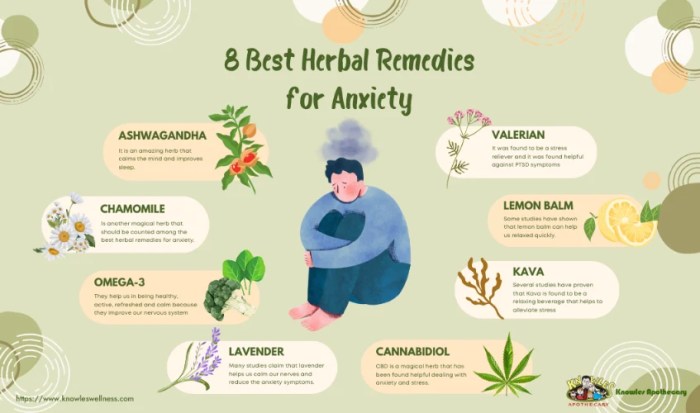
- Lavender: Known for its calming properties and ability to reduce stress levels.
- Chamomile: Helps promote relaxation and relieve anxiety.
- Ashwagandha: An adaptogen herb that can help the body manage stress.
- Valerian Root: Often used as a sleep aid, it can also help reduce anxiety.
- Omega-3 Fatty Acids: Found in fish oil, these can help reduce inflammation and anxiety.
Benefits of Natural Remedies
Natural remedies offer several benefits over pharmaceutical options. They are often gentler on the body, with fewer side effects compared to prescription medications. Additionally, many natural remedies can be easily incorporated into daily routines without the need for a doctor's prescription.
Importance of Consulting a Healthcare Professional
Before trying any natural remedies for anxiety and stress, it is crucial to consult a healthcare professional. While natural remedies are generally safe, they may interact with certain medications or conditions. A healthcare provider can offer guidance on the most suitable options and ensure they complement your overall treatment plan.
Lifestyle Changes for Managing Anxiety and Stress
When it comes to managing anxiety and stress, making certain lifestyle changes can play a crucial role in improving mental well-being. From maintaining a healthy diet to regular exercise and incorporating mindfulness practices, there are various ways to reduce anxiety and stress levels naturally.
The Role of Diet and Nutrition
Eating a well-balanced diet rich in nutrients can help regulate mood and reduce stress levels. Foods like fatty fish, nuts, seeds, whole grains, fruits, and vegetables are known to have a positive impact on mental health. Avoiding excessive caffeine, sugar, and processed foods can also help in managing anxiety
Importance of Regular Exercise
Regular physical activity is essential for improving mental health and reducing symptoms of anxiety and stress. Exercise helps in releasing endorphins, which are known as 'feel-good' hormones, and can significantly boost mood and overall well-being. Engaging in activities like walking, jogging, yoga, or dancing can be beneficial.
Incorporating Mindfulness Practices
Practicing mindfulness involves being present in the moment and focusing on your thoughts and feelings without judgment. Techniques like meditation, deep breathing exercises, and yoga can help calm the mind and reduce stress levels. Taking a few minutes each day to practice mindfulness can have a profound impact on managing anxiety and stress.
Relaxation Techniques for Anxiety and Stress Relief
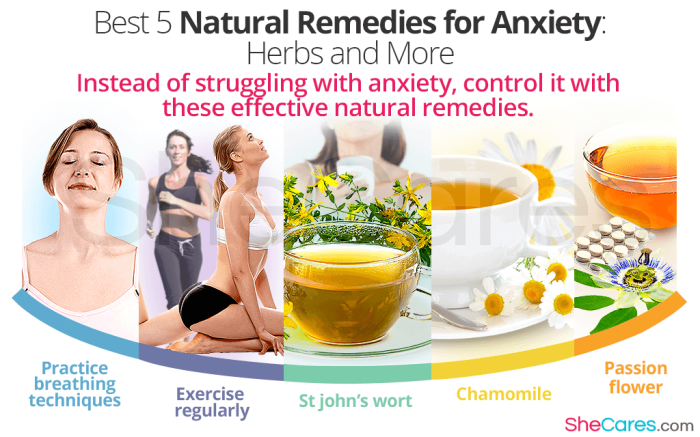
When it comes to managing anxiety and stress, incorporating relaxation techniques into your daily routine can be incredibly beneficial. These techniques can help calm your mind, reduce physical tension, and promote a sense of overall well-being.
Deep Breathing Exercises
Deep breathing exercises are a simple yet powerful way to combat anxiety and stress. By taking slow, deep breaths, you can activate the body's relaxation response, calming your mind and reducing feelings of tension. One effective technique is diaphragmatic breathing, where you focus on breathing deeply into your belly rather than shallowly into your chest.
Progressive Muscle Relaxation
Progressive muscle relaxation involves tensing and then relaxing different muscle groups in the body. This technique can help release physical tension and promote relaxation. By consciously tensing each muscle group and then releasing the tension, you can become more aware of the physical sensations in your body and learn to let go of stress.
Yoga and Meditation
Practices like yoga and meditation have been shown to be highly effective in reducing anxiety and stress. Yoga combines physical postures, breathing techniques, and meditation to promote relaxation and mindfulness. Similarly, meditation helps quiet the mind, increase self-awareness, and cultivate a sense of inner peace.
Relaxation Apps and Tools
In today's digital age, there are numerous relaxation apps and tools available to help manage anxiety and stress. Apps like Calm, Headspace, and Insight Timer offer guided meditations, breathing exercises, and relaxation techniques that you can access anytime, anywhere. These tools can be a convenient way to incorporate relaxation practices into your daily life and find moments of calm amidst the chaos.
Last Word
Concluding our discussion on natural remedies for managing anxiety and stress, it becomes evident that incorporating these holistic approaches into daily routines can lead to a more harmonious state of mental well-being. By embracing natural remedies, individuals can take proactive steps towards a healthier and more balanced lifestyle.
Clarifying Questions
Can natural remedies completely cure anxiety and stress?
Natural remedies can help manage and alleviate symptoms of anxiety and stress, but it's essential to consult with a healthcare professional for personalized advice.
Are there any side effects of using natural remedies for anxiety and stress?
While natural remedies are generally considered safe, some individuals may experience side effects or interactions with existing medications. Consultation with a healthcare provider is recommended.
How long does it typically take to see results from natural remedies for anxiety and stress?
The effectiveness of natural remedies varies for each individual. It may take some time to experience noticeable improvements, so consistency is key.

